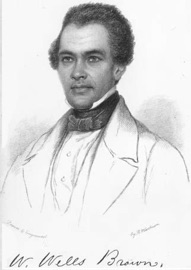
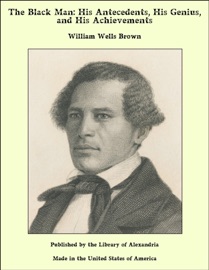
The Black Man by William Wells Brown is a significant historical and biographical work that celebrates the achievements, resilience, and contributions of African Americans in the face of profound social and political challenges. Written by one of the most influential nineteenth-century African American authors, the book serves as both a record of accomplishment and a powerful statement about human dignity, perseverance, and equality.
Through a series of biographical sketches and historical accounts, Brown highlights the lives of notable individuals whose talents, determination, and achievements left a lasting impact on society. By documenting these stories, he challenges prevailing stereotypes of his era and presents compelling examples of leadership, intellect, creativity, and courage.
Brown's writing combines historical research with a passionate commitment to education and social progress. His work not only preserves important histories but also encourages readers to recognize the value of contributions that were often overlooked or ignored in mainstream historical narratives.
Themes of achievement, resilience, education, equality, leadership, and social justice run throughout the book. The narratives emphasize the importance of perseverance in overcoming adversity and demonstrate the enduring influence of individuals who worked to advance opportunity and human rights.
The Black Man remains an important contribution to African American history and literature. With its rich historical content and inspiring biographical portraits, it offers valuable insight into the lives of remarkable individuals and serves as a meaningful resource for readers interested in history, culture, and social progress.