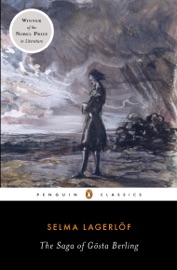
Gösta Berling is a young minister of extraordinary gifts — golden-tongued, beloved, doomed. Undone by drink and despair, he is stripped of his pulpit and cast out to die in the Värmland snow, until he is rescued by the formidable Majoress of Ekeby, who rules the great iron estates along the frozen lake with an iron will and a scandalous past. She takes him in among her pensioners — the cavaliers of Ekeby, a dozen broken-down gentlemen kept in idle splendour to amuse her.
On a single wild Christmas Eve, the cavaliers — tricked into believing the Majoress has bargained their souls to the Devil — rise up, drive her from her own house, and seize the running of Ekeby for one mad, glorious, ruinous year. What follows is not a single story but a saga: a cycle of interlinked legends of love and folly and reckless splendour, of the women Gösta Berling loves and wrongs, of a great ball at Borg and a young countess on the cracking ice, of burning manors and walking dead and a Devil who sits by the forge — all of it set in a vanished world of manor-house revelry, frozen lakes, and long bright Nordic summers.
Selma Lagerlöf’s 1891 debut broke deliberately with the realism of her age, reaching back to the oral folk tales of her native Värmland to make a wild, incantatory, legend-laden book. Beneath its splendour runs a grave argument about sin and redemption, recklessness and responsibility: the cavaliers’ year of joy is paid for in hunger and ruin, and the long, halting question of the saga is whether so charming a sinner as Gösta Berling can ever truly be saved. The book that began modern Swedish literature, it carried its author to the 1909 Nobel Prize — the first ever awarded to a woman.
This edition presents the complete public-domain English translation by Pauline Bancroft Flach, with an editor’s foreword on the saga, its folk-legend art, and the vanished world it mourns, a biographical note, a guide to further reading, and questions for reflection.