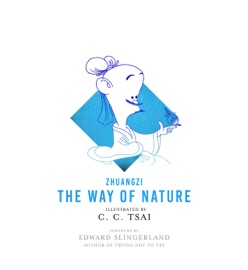
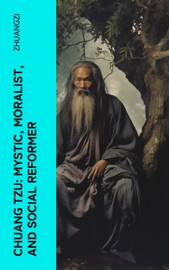
Zhuangzi (c. 369–286 BCE) is, with Laozi, one of the two foundational figures of Taoism, and the more literary of the two. His parables, dialogues, fragments, and the famous dream-of-the-butterfly preserve the Taoist tradition in its sharpest and most playful form.
Where the Tao Te Ching is a book of aphorisms, the Zhuangzi is a book of stories: cooks who carve oxen by knowing where the joints are, useless trees that outlive useful ones, a man who refuses the empire to sit on a riverbank. The argument is delivered by image and joke rather than by doctrine — and the book has been read for nearly twenty-five centuries as one of the world's funniest, deepest, and most disconcerting works of philosophy.