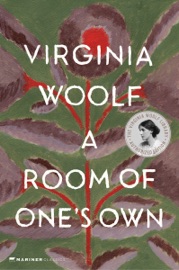
A Room of One's Own by Virginia Woolf is a landmark work of feminist literature and literary criticism that explores the relationship between gender, creativity, education, and economic independence. First published in 1929, the book originated from a series of lectures Woolf delivered at women's colleges at the University of Cambridge and has since become one of the most influential essays of the 20th century.
Blending fiction, philosophy, social commentary, and personal reflection, Woolf examines the historical barriers that prevented women from fully participating in literary and intellectual life. Through a thoughtful and imaginative narrative voice, she argues that creative freedom requires both financial stability and personal space—symbolized by the "room" of the title.
Woolf reflects on the limited educational opportunities historically available to women and the social structures that restricted their independence and artistic expression. She explores how inequality shaped literature itself, influencing which voices were heard, preserved, and valued throughout history.
Using vivid examples, fictional scenarios, and literary analysis, the book considers what might have happened if equally talented women had been denied the opportunities available to male writers. Woolf's famous imagined figure of Shakespeare's gifted sister serves as a powerful illustration of suppressed potential and unrealized artistic achievement.
The work also examines the broader relationship between identity and authorship, encouraging readers to question traditional assumptions about gender roles, authority, and cultural expectations. Woolf's style moves fluidly between narrative, argument, and reflection, creating a text that is intellectually rich and deeply engaging.
Themes of independence, creativity, inequality, education, and self-expression run throughout the book. Woolf advocates for intellectual freedom and the importance of giving marginalized voices the opportunity to create and contribute to culture.
Written with elegance, wit, and insight, A Room of One's Own remains a foundational text in feminist thought and literary studies. Its ideas continue to influence discussions about gender, art, and access to education and opportunity.
Ideal for readers of classic nonfiction, feminist literature, and literary criticism, this work offers a profound and enduring exploration of creativity, freedom, and the conditions necessary for artistic expression.