Explorer, soldier, statesman, writer, key to the English Renaissance—Sir Walter Ralegh fashioned his life as a work of art.
Exposing the tensions and contradictions of Renaissance England, Stephen Greenblatt presents Sir Walter Ralegh as a symbol of his age. The interplay between life and art animated both his actions and his writing, and his dramatic life was his masterpiece. From the grim Tower of London to the swamps of Guiana, from the aging Queen Elizabeth’s court back to the Tower, Ralegh’s turbulent career reached its climax with his 1592 disgrace, which culminated in his 1603 conviction for treason and, ultimately, his execution. Blending historical, literary, and psychological insight, Greenblatt brings vivid detail and acute understanding to his twining of Ralegh’s life and work.
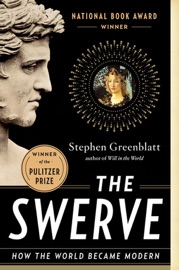
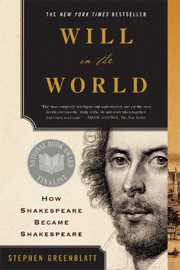
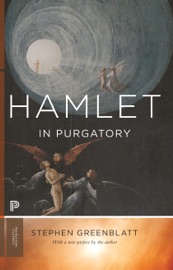
In Sir Walter Ralegh, written early in his scholarly career, Greenblatt sows the seeds of his most influential critical ideas—“self-fashioning” in the Renaissance and “the new historicism” as avenue of literary insight. In a revealing new introduction, he offers a glimpse of the personal intellectual journey that would lead him to such masterworks as Marvellous Possessions, Hamlet in Purgatory, Will in the World, The Swerve, and, most recently, Dark Renaissance—in which the character of Sir Walter Ralegh stages a memorable reappearance in the life of Christopher Marlowe.