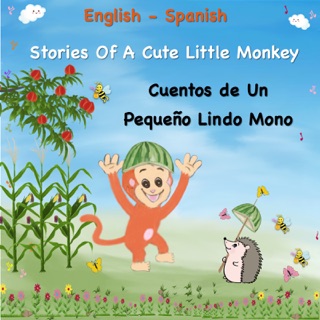
Children’s Picture Books in Spanish and English: Stories of A Cute Little Monkey
Learning Spanish can be a fun and rewarding experience for kids! This children’s book is available in both English and Spanish.
This fun story makes learning Spanish fun and engaging for kids.
The Joy of Bilingual English-Spanish Storybooks for Kids
Bilingual English-Spanish storybooks are a fantastic resource for children, combining the joy of storytelling with the benefits of learning two languages. These books serve as a bridge between cultures, providing young readers with the tools they need to communicate effectively in both English and Spanish.
1. Bilingual: Bilingual storybooks introduce children to two languages simultaneously, fostering early language acquisition and comprehension skills.
2. Storybook: Engaging narratives captivate young readers, making reading a delightful experience while promoting literacy.
3. Children’s Literature: The genre of children’s literature is enriched by bilingual books, offering diverse perspectives and themes that resonate with kids from various backgrounds.
4. Vocabulary: These storybooks expand children’s vocabulary in both languages, helping them learn new words and phrases through context and repetition.
5. Cultural Awareness: Bilingual books often include cultural references, allowing children to appreciate and understand diverse traditions and customs, fostering empathy and open-mindedness.
6. Illustrations: Vibrant illustrations enhance the storytelling experience, making it easier for children to connect with the story and visualize the characters and settings.
7. Language Learning: Reading bilingual storybooks can significantly improve language skills, including listening, speaking, reading, and writing in both English and Spanish.
8. Interactive Features: Many bilingual storybooks include questions, activities, or prompts at the end, encouraging children to think critically and engage with the material.
9. Parent-Child Engagement: Reading together provides an opportunity for parents and children to bond over stories while practicing language skills, enhancing family connections.
10. Accessibility: With the increasing availability of bilingual storybooks, parents and educators can easily find age-appropriate texts that cater to different interests and reading levels.
11. Educational Resources: Bilingual storybooks serve as effective educational resources in classrooms, helping teachers incorporate language learning into their curriculum.
12. Fun Learning: The combination of storytelling and language learning makes the process fun, motivating children to explore new languages with enthusiasm.
In conclusion, bilingual English-Spanish storybooks are invaluable tools for children’s language development. They promote language learning, cultural appreciation, and family bonding, making them an excellent addition to any child’s reading collection. By incorporating these books into their daily routines, children can embark on a wonderful journey of discovery, gaining the skills and confidence to communicate in two languages.
La Magia de los Cuentos Bilingües en Inglés y Español para Niños
Los cuentos bilingües en inglés y español son una herramienta maravillosa para los niños, ya que combinan la diversión de la narración con los beneficios de aprender dos idiomas. Estos libros permiten a los jóvenes lectores explorar y comunicarse en ambas lenguas, enriqueciendo su desarrollo lingüístico y cultural.
**1. Bilingüe:** Los cuentos bilingües presentan los textos en inglés y español, lo que facilita el aprendizaje simultáneo de ambos idiomas.
**2. Cuento:** Las historias cautivadoras mantienen el interés de los niños, haciendo que la lectura sea una experiencia agradable y educativa.
**3. Literatura Infantil:** Este género se enriquece con los libros bilingües, ofreciendo diversas perspectivas y temas que resuenan con niños de diferentes orígenes.
**4. Vocabulario:** Estos libros amplían el vocabulario de los niños en ambos idiomas, ayudándoles a aprender nuevas palabras y frases en contexto.
**5. Conciencia Cultural:** Los cuentos bilingües a menudo incluyen referencias culturales, permitiendo a los niños apreciar y entender diversas tradiciones y costumbres.
**6. Ilustraciones:** Las ilustraciones vibrantes mejoran la experiencia de lectura, facilitando la conexión de los niños con la historia y la visualización de los personajes y escenarios.
**7. Aprendizaje de Idiomas:** La lectura de cuentos bilingües puede mejorar significativamente las habilidades lingüísticas, incluyendo la escucha, el habla, la lectura y la escritura en inglés y español.
**8. Características Interactivas:** Muchos cuentos bilingües incluyen preguntas, actividades o ejercicios al final, fomentando el pensamiento crítico y la participación activa de los niños.
**9. Participación Familiar:** Leer juntos brinda la oportunidad de que padres e hijos se unan a través de las historias mientras practican habilidades lingüísticas, fortaleciendo los lazos familiares.
**10. Accesibilidad:** La creciente disponibilidad de cuentos bilingües permite a padres y educadores encontrar fácilmente textos apropiados para diferentes edades e intereses.
**11. Recursos Educativos:** Los cuentos bilingües son recursos educativos efectivos en el aula, ayudando a los maestros a incorporar el aprendizaje de idiomas en su currículum.
**12. Aprendizaje Divertido:** La combinación de narración y aprendizaje de idiomas hace que el proceso sea divertido, motivando a los niños a explorar nuevos lenguajes con entusiasmo.
En conclusión, los cuentos bilingües en inglés y español son herramientas invaluables para el desarrollo lingüístico de los niños. Promueven el aprendizaje de idiomas, la apreciación cultural y el vínculo familiar, convirtiéndolos en una excelente adición a la colección de lectura de cualquier niño. Al incorporar estos libros en su rutina diaria, los niños pueden embarcarse en un maravilloso viaje de descubrimiento, adquiriendo las habilidades y la confianza necesarias para comunicarse en dos idiomas.
it can help kids grasp basic Spanish vocabulary and grammar.
it introduces kids to Spanish in a fun way.
This Simple fairy tale can be helpful and make learning interactive and foster interest in the Spanish language.
It makes the learning process fun, pressure-free and keep kids motivated!
Adventure with The Little Hedgehog
A Beautiful Picture Book with Cartoonish Color Illustrations on Each Page.
A Short Story of a Funny Monkey and his Adventure Exploring the Big World.
Find out what happens when the curious little monkey meets a cute little hedgehog…
This is a beautiful picture book with cartoonish color illustrations on every page. The story is about a cute, funny and curious little monkey on his adventure exploring the big world of nature.
The book is best suitable for toddlers as a bed time story to read along with parents / grandparents and enjoy bonding time together. It is also good for preschool and kindergarten small children aged from 2 to 8 years old who start learning to read in English, who love storybooks and enjoy animal fairy tales . This short story is a fairy tale about friendshipand funny animal friends which would bring happiness, imagination and education to our lovely little ones.
The main characters in this fairytale are 2 animals and and the story is about their behaviour. It would be helpful young children to learn about nature like sun, cloud, trees, corn field, flowers, birds, bees, butterflies and all the rich colors.
### The Benefits of Learning Spanish for Kids
Learning Spanish for kids is an enriching experience that opens doors to new cultures, enhances cognitive skills, and prepares children for a globalized world. Here are some essential keywords related to this journey:
**1. Learn Spanish:** The process of acquiring the Spanish language through various methods and resources.
**2. Spanish Language:** A widely spoken language that is the second most common in the world, making it valuable for communication.
**3. Language Learning:** The overall process of learning a new language, which includes speaking, listening, reading, and writing skills.
**4. Children’s Education:** Integrating Spanish into children’s education can improve their academic performance and cultural awareness.
**5. Vocabulary:** Building vocabulary is crucial for language acquisition; engaging activities can help children learn new words effectively.
**6. Grammar:** Understanding basic grammar rules is essential for forming sentences and communicating correctly in Spanish.
**7. Listening Skills:** Developing listening skills is important for comprehension and helps children pick up pronunciation and intonation.
**8. Speaking Practice:** Encouraging kids to speak Spanish boosts their confidence and fluency, making them comfortable with the language.
**9. Reading Comprehension:** Reading Spanish books tailored for children enhances their understanding of the language and builds literacy skills.
**10. Writing Skills:** Practicing writing in Spanish helps reinforce vocabulary and grammar, making it easier for kids to express themselves.
**11. Cultural Exposure:** Learning Spanish also involves exploring Spanish-speaking cultures, traditions, and histories, fostering appreciation and respect.
**12. Fun Activities:** Games, songs, and interactive activities make learning Spanish enjoyable and engaging for kids.
**13. Language Apps:** There are numerous apps designed specifically for children to learn Spanish through fun and interactive methods.
**14. Flashcards:** Using flashcards can be an effective way to memorize vocabulary and reinforce learning in a playful manner.
**15. Language Immersion:** Immersion programs or environments can significantly enhance language acquisition, enabling kids to learn naturally.
**16. Language Tutors:** Hiring a language tutor or enrolling in classes can provide structured guidance and personalized learning experiences.
**17. Study Groups:** Forming study groups with peers encourages collaboration and practice, making learning a social experience.
**18. Consistency:** Regular practice and exposure to the language are key to becoming proficient in Spanish.
**19. Educational Resources:** There are various resources available, including books, online courses, and videos, to support learning.
**20. Confidence Building:** Mastering a new language boosts children’s confidence and encourages them to explore further learning opportunities.
In conclusion, learning Spanish for kids is a valuable investment in their future. It enhances their cognitive abilities, enriches their cultural understanding, and equips them with essential communication skills. By incorporating fun and engaging methods into their learning journey, children can enjoy the process of becoming bilingual, setting the stage for a lifetime of opportunities. Encouraging kids to learn Spanish not only benefits them academically but also prepares them to thrive in an increasingly interconnected world.
### Los Beneficios de Aprender Inglés para Niños
Aprender inglés para niños es una experiencia valiosa que les abre las puertas a nuevas oportunidades, mejora sus habilidades cognitivas y les prepara para un mundo globalizado. A continuación, se presentan algunas palabras clave relacionadas con este proceso:
**1. Aprender inglés:** El proceso de adquirir el idioma inglés a través de diferentes métodos y recursos.
**2. Idioma inglés:** Un idioma ampliamente hablado que es considerado el idioma internacional de la comunicación.
**3. Aprendizaje de idiomas:** El proceso general de aprender un nuevo idioma, que incluye habilidades de hablar, escuchar, leer y escribir.
**4. Educación infantil:** Integrar el inglés en la educación de los niños puede mejorar su rendimiento académico y su conciencia cultural.
**5. Vocabulario:** Ampliar el vocabulario es crucial para la adquisición del idioma; actividades interactivas pueden ayudar a los niños a aprender nuevas palabras de manera efectiva.
**6. Gramática:** Comprender las reglas gramaticales básicas es esencial para formar oraciones y comunicarse correctamente en inglés.
**7. Habilidades de escucha:** Desarrollar habilidades de escucha es importante para la comprensión y ayuda a los niños a captar pronunciación e entonación.
**8. Práctica de conversación:** Fomentar que los niños hablen en inglés aumenta su confianza y fluidez, haciéndolos sentir cómodos con el idioma.
**9. Comprensión lectora:** Leer libros en inglés adaptados para niños mejora su entendimiento del idioma y desarrolla habilidades de alfabetización.
**10. Habilidades de escritura:** Practicar la escritura en inglés ayuda a reforzar el vocabulario y la gramática, facilitando la expresión.
**11. Exposición cultural:** Aprender inglés también implica explorar culturas y tradiciones de los países de habla inglesa, fomentando la apreciación y el respeto.
**12. Actividades divertidas:** Juegos, canciones y actividades interactivas hacen que aprender inglés sea entretenido y atractivo para los niños.
**13. Aplicaciones educativas:** Existen numerosas aplicaciones diseñadas específicamente para que los niños aprendan inglés de manera divertida e interactiva.
**14. Tarjetas didácticas:** Usar tarjetas didácticas puede ser una forma efectiva de memorizar vocabulario y reforzar el aprendizaje de manera lúdica.
**15. Inmersión lingüística:** Los programas o entornos de inmersión pueden mejorar significativamente la adquisición del idioma, permitiendo a los niños aprender de manera natural.
**16. Tutores de idiomas:** Contratar un tutor de idiomas o inscribirse en clases puede proporcionar una guía estructurada y experiencias de aprendizaje personalizadas.
**17. Grupos de estudio:** Formar grupos de estudio con compañeros fomenta la colaboración y la práctica, convirtiendo el aprendizaje en una experiencia social.
**18. Consistencia:** La práctica regular y la exposición al idioma son clave para lograr un dominio del inglés.
**19. Recursos educativos:** Hay diversos recursos disponibles, incluyendo libros, cursos en línea y videos, que apoyan el aprendizaje.
**20. Confianza:** Dominar un nuevo idioma aumenta la confianza de los niños y los anima a explorar más oportunidades de aprendizaje.
En conclusión, aprender inglés para niños es una inversión valiosa en su futuro. Mejora sus habilidades cognitivas, enriquece su comprensión cultural y les proporciona habilidades de comunicación esenciales. Al incorporar métodos divertidos y atractivos en su proceso de aprendizaje, los niños pueden disfrutar del viaje de convertirse en bilingües, sentando las bases para un futuro lleno de oportunidades. Fomentar que los niños aprendan inglés no solo los beneficia académicamente, sino que también los prepara para prosperar en un mundo cada vez más interconectado.