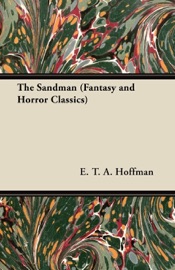
Devils, Dreams, and Visions – 3 Classic Psychological Supernatural Novellas offers a compelling exploration of the intertwining realms of the psychological and the supernatural through three distinct novellas. This anthology elegantly encapsulates the varied expressions of supernatural fiction from the Romantic to the Victorian era. Each novella delves into the human psyche's darker corridors, using diverse literary styles that range from gothic horror to sublime fantasy. Within these pages, readers will encounter chilling mysteries and profound insights, gaining a nuanced appreciation for how supernatural themes reflect the fears and desires that pervade the human experience. The collection is a remarkable collaboration of renowned authors: E. T. A. Hoffmann, George Eliot, and George Du Maurier. Each writer contributes an exceptional perspective, drawing from their uniquely rooted historical and cultural contexts. Hoffmann's influence from German Romanticism, Eliot's incisive critique of Victorian society, and Du Maurier's eerie illustrations of psychological depth seamlessly merge to create a tapestry of stories that enchant and provoke. This anthology aligns with literary movements that emphasized the uncanny and the psychological, offering fresh insights into the epochs these writers inhabited, and the universal anxieties that transcend their time. This anthology beckons both seasoned enthusiasts and newcomers to explore its pages for a rich, multifaceted literary journey. Within a single volume, readers can savor the breadth of each author's contribution to literary explorations of the supernatural, while appreciating the enduring dialogue fostered between past and present. A perfect blend of educational richness and engrossing narratives, Devils, Dreams, and Visions invites you to discover the multifarious perspectives that continue to shape the world of supernatural fiction today.
In this enriched edition, we have carefully created added value for your reading experience:
- An Introduction draws the threads together, discussing why these diverse authors and texts belong in one collection.
- Historical Context explores the cultural and intellectual currents that shaped these works, offering insight into the shared (or contrasting) eras that influenced each writer.
- A collective Analysis highlights common themes, stylistic variations, and significant crossovers in tone and technique, tying together writers from different backgrounds.
- Reflection questions encourage readers to compare the different voices and perspectives within the collection, fostering a richer understanding of the overarching conversation.