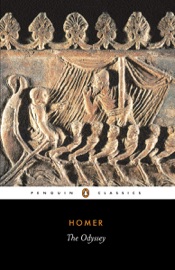
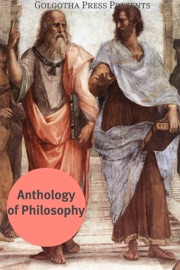
Yale Classics - Ancient Greek Literature gathers the foundational genres of the Greek imagination: epic, didactic poetry, lyric song, tragedy, comedy, historiography, philosophy, rhetoric, pastoral, biography, and moral reflection. From heroic narrative and archaic wisdom to dramatic conflict, civic argument, and Hellenistic refinement, the volume traces a literature continually negotiating fate, justice, desire, reason, and public life. Standout traditions such as Homeric epic, Sapphic lyric, Attic tragedy, Aristophanic satire, and Platonic dialogue appear in illuminating relation. The anthology's contributors represent many centuries of Greek cultural production, from archaic oral and lyric worlds through classical Athens and into the cosmopolitan Hellenistic and Roman imperial periods. Poets, dramatists, historians, philosophers, orators, and moralists together chart the development of Greek thought as both artistic inheritance and civic practice. Framed by the classical scholarship associated with Gilbert Murray, these voices reveal how Greek literature shaped, and was shaped by, ritual, democracy, empire, education, and ethical inquiry. This collection is ideal for readers seeking a compact yet expansive encounter with antiquity's most enduring literary achievements. It offers not a single narrative of Greece, but a dialogue among forms and perspectives: song against lawcourt speech, tragedy beside philosophy, history alongside myth. Students, general readers, and scholars will find in this volume a rich education in the origins of Western literary and intellectual traditions.
This enriched edition has been carefully crafted to add value to your reading experience.
- An Introduction draws the threads together, discussing why these diverse authors and texts belong in one collection.
- Historical Context explores the cultural and intellectual currents that shaped these works, offering insight into the shared (or contrasting) eras that influenced each writer.
- A combined Synopsis (Selection) briefly outlines the key plots or arguments of the included pieces, helping readers grasp the anthology's overall scope without giving away essential twists.
- A collective Analysis highlights common themes, stylistic variations, and significant crossovers in tone and technique, tying together writers from different backgrounds.
- Reflection questions encourage readers to compare the different voices and perspectives within the collection, fostering a richer understanding of the overarching conversation.
















![The Complete Harvard Classics 2024 Edition [newly updated]](https://is1-ssl.mzstatic.com/image/thumb/Publication123/v4/50/92/1a/50921a1d-6c1e-aa9c-d2c9-b70c1c5271f0/1021533680.jpg/270x270bb.jpg)